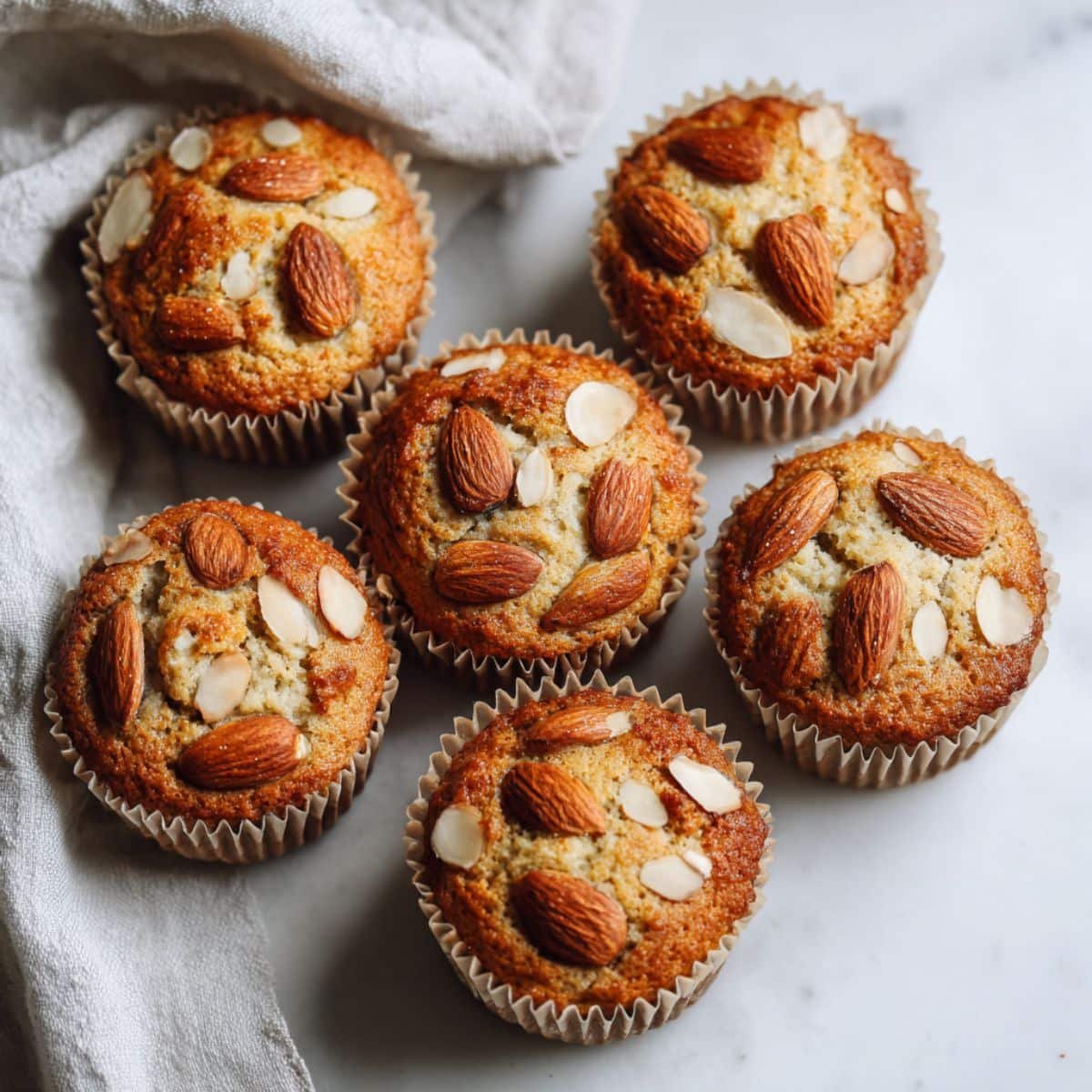
Easy Gluten-Free Muffins: Your Guide to Almond & Coconut Flour Recipes
There’s nothing quite like the comforting aroma of freshly baked muffins wafting through your home. For many, the joy of biting into a warm, tender muffin is a beloved morning ritual or an afternoon pick-me-up. However, if you’re navigating the world of gluten-free eating, you might think those bakery-style treats are off-limits. Think again!
Thanks to the incredible versatility of almond flour and coconut flour, creating delicious, easy gluten-free muffins is not only possible but surprisingly simple. These alternative flours bring a natural richness, moisture, and unique texture that often surpasses their gluten-containing counterparts. Forget dense, crumbly gluten-free bakes; with these recipes, you’ll achieve beautifully moist, tender muffins that are perfect for a quick breakfast, a satisfying snack, or to stock up for make-ahead gluten-free muffins for busy mornings.
In this comprehensive guide, we'll explore why almond and coconut flours are your secret weapons for the best gluten-free muffins, dive into a variety of irresistible flavors, and arm you with the tips and tricks to bake them flawlessly every time.
The Magic of Almond and Coconut Flour in Gluten-Free Baking
When it comes to gluten-free baking, simply swapping out wheat flour for a generic gluten-free blend can often lead to disappointing results. This is where almond and coconut flours shine, offering distinct properties that contribute to superior texture and flavor in your muffins.
Almond Flour: The Secret to Tender Texture
Almond flour, made from blanched, finely ground almonds, is a game-changer for gluten-free baked goods. It’s naturally low in carbohydrates and high in protein and healthy fats, making your muffins not only delicious but also more satisfying.
- Moisture and Tenderness: Its fat content gives baked goods a remarkable tenderness and keeps them incredibly moist, preventing the dry, crumbly texture often associated with gluten-free baking.
- Rich Flavor Profile: Almond flour imparts a subtle, slightly sweet, and nutty flavor that complements almost any muffin addition, from fruit to chocolate.
- Structure Without Gluten: While it doesn't provide the elastic structure of gluten, when combined with other binding agents like eggs and a touch of baking soda, it creates a delicate, soft crumb that holds together beautifully.
When baking with almond flour, remember it absorbs liquid differently than wheat flour. Recipes using almond flour often require more eggs or other liquid binders to provide structure and prevent excessive crumbling.
Coconut Flour: A Powerhouse of Absorbency and Fiber
Coconut flour, derived from dried, defatted coconut meat, is an incredibly unique and potent ingredient. It's renowned for its high fiber content and exceptional absorbency, meaning a little goes a very long way.
- Incredible Absorbency: Coconut flour can absorb a surprising amount of liquid, making it excellent for balancing moisture and achieving a fluffy texture. This high absorbency also means you typically use far less coconut flour than other flours.
- Fiber-Rich: Its high fiber content contributes to satiety and digestive health.
- Subtle Sweetness: Coconut flour naturally imparts a slight sweetness and a tropical hint, which can enhance many muffin flavors without adding excessive sugar.
- Structure and Stability: Despite its fine texture, coconut flour adds good structure to baked goods, helping them rise and hold their shape.
Due to its intense absorbency, coconut flour needs to be used sparingly and always paired with plenty of liquid and eggs to prevent baked goods from becoming too dry or dense. Often, recipes will use a blend of almond and coconut flour, leveraging almond flour for tenderness and coconut flour for structure and moisture balance.
Your Go-To Easy Gluten-Free Muffin Flavors
The beauty of these almond and coconut flour bases is their adaptability. You can transform them into an endless array of classic and creative flavors. Here are some of the most beloved easy gluten-free muffin recipes that will become your new favorites:
Classic Comforts
- Banana Muffins: These are a timeless hit. Using ripe, mashed bananas not only adds natural sweetness but also incredible moisture. Almond flour creates a wonderfully soft and tender crumb, reminiscent of classic banana bread. Feel free to swirl in chocolate chips, chopped walnuts, or pecans for extra texture and flavor. Ingredients like eggs, baking soda, and avocado oil work to perfect the texture.
- Blueberry Muffins: A quintessential breakfast muffin! Fresh or frozen blueberries burst with flavor in a simple almond flour batter. A hint of lemon zest and vanilla extract enhances the berry goodness, while honey adds a subtle sweetness. Ensure they cool completely on a wire rack to maintain their perfect texture.
- Chocolate Chip Muffins: For the chocolate lovers, these almond flour chocolate chip muffins come together quickly. Simple wet and dry ingredients are mixed in a large bowl, scooped into parchment-lined muffin tins, and baked until golden. Enjoy them warm from the oven with gooey melted chocolate chips—an easy and satisfying treat for any time of day.
Seasonal & Creative Delights
- Pumpkin Chocolate Chip Muffins: Embrace the flavors of autumn with these soft, spiced muffins. Pumpkin puree adds moisture and a rich, earthy flavor that pairs beautifully with warm spices like cinnamon, nutmeg, and ginger. Chocolate chips provide just enough sweetness without overpowering the seasonal notes.
- Apple Muffins: Perfect for fall or any time you have fresh apples. Grated apple lends natural sweetness and a lovely texture to these quick-to-mix almond flour muffins. Cinnamon and honey balance the flavors, making them a comforting family favorite.
- Carrot Pineapple Muffins: For something a little different, carrots and crushed pineapple bring both moisture and a unique sweetness to these muffins. They bake up incredibly soft and flavorful, offering a delightful twist on your usual breakfast or snack.
Hidden Veggie Heroes
- Zucchini Chocolate Chip Muffins: A fantastic way to sneak in some extra vegetables! Grated zucchini adds an abundance of moisture to these muffins without altering the flavor. Almond flour, eggs, coconut sugar, and melted ghee (for that rich buttery taste) combine with chocolate chips to create a soft, evenly baked treat. They’re a perfect go-to for using up an abundance of garden zucchini.
These flours make it surprisingly easy to incorporate healthy fruits and vegetables into your bakes, adding nutrients and natural sweetness without compromising on taste or texture.
Mastering Gluten-Free Muffin Baking: Tips for Success
While making make-ahead gluten-free muffins is generally straightforward, a few key tips can elevate your baking from good to absolutely outstanding:
- Accurate Measuring is Key: Especially with almond and coconut flours, precise measurements are crucial. For best results, consider weighing your flours using a kitchen scale rather than relying solely on volume measurements, as their density can vary.
- Don't Overmix the Batter: Just like with traditional muffins, overmixing can lead to a tough texture. Mix your wet and dry ingredients only until they are just combined and no streaks of dry flour remain. A few small lumps are perfectly fine.
- Room Temperature Ingredients: Eggs and other dairy (if using) at room temperature incorporate more smoothly into the batter, leading to a more uniform texture.
- Fill Muffin Tins Properly: For those coveted bakery-style domes, fill your muffin cups about three-quarters full. Using muffin liners, especially parchment paper ones, can prevent sticking and make cleanup a breeze.
- Optimize Baking Temperature: Some recipes suggest starting with a higher oven temperature (e.g., 400°F/200°C) for the first 5 minutes, then reducing it to a lower temperature (e.g., 375°F/190°C) for the remainder of the baking time. This initial blast of heat helps create that beautiful domed top.
- Cool on a Wire Rack: Once baked, remove muffins from the tin within a few minutes and transfer them to a wire rack to cool completely. This prevents the bottoms from becoming soggy due to trapped steam.
- Storage and Freezing: Most gluten-free muffins store well in an airtight container at room temperature for 2-3 days, or in the refrigerator for up to a week. They also freeze beautifully for up to 3 months. Wrap individual muffins tightly in plastic wrap or foil before placing them in a freezer-safe bag or container. This is a game-changer for quick, ready-to-eat breakfasts on busy mornings!
Conclusion
Baking delicious, moist, and tender gluten-free muffins with almond and coconut flours is an incredibly rewarding experience. These alternative flours open up a world of possibilities, allowing you to enjoy all your favorite muffin flavors without compromise. From classic banana and blueberry to seasonal pumpkin and hidden veggie zucchini, there’s an easy gluten-free muffin recipe for every craving and occasion. So, gather your ingredients, follow these tips, and get ready to fill your home with the irresistible aroma of freshly baked treats. Happy baking!
